
What to Expect During a Professional Masonry Installation
People searching for what to expect during a professional masonry installation can rely on local contractors to handle the work efficiently and ensure quality craftsmanship.
Understanding what to expect during a professional masonry installation can help property owners feel more confident about the process and ensure their project runs smoothly. Whether planning to add a new brick patio, install a retaining wall, or enhance the aesthetic appeal of a property, knowing the typical steps involved allows homeowners to prepare and collaborate effectively with local contractors. This knowledge also highlights the importance of working with experienced service providers who can deliver quality craftsmanship and reliable results, making the entire experience less stressful and more predictable.
For property owners in the area considering masonry work, exploring this topic can provide practical insights into how the installation process unfolds and what factors influence the final outcome. Local service providers who specialize in masonry installation bring valuable expertise to each project, ensuring that the work aligns with both aesthetic goals and structural requirements. Continuing to learn about what to expect during a professional masonry installation helps homeowners make informed decisions and connect with the right local contractors for their specific needs.
- Brick and Block Walls - homeowners may need these structures for privacy or boundary marking, and local contractors ensure proper foundation and alignment.
- Fireplace and Chimney Installations - when upgrading or building a new fireplace, local service providers handle the detailed masonry work involved.
- Patios and Outdoor Living Spaces - for enhancing outdoor areas, local pros use durable materials and precise craftsmanship during installation.
- Stone Facades and Cladding - property owners seeking aesthetic upgrades or weather protection rely on local masonry specialists for seamless application.
- Retaining Walls and Landscape Edging - to control soil erosion or define garden spaces, local contractors utilize expert techniques during installation.

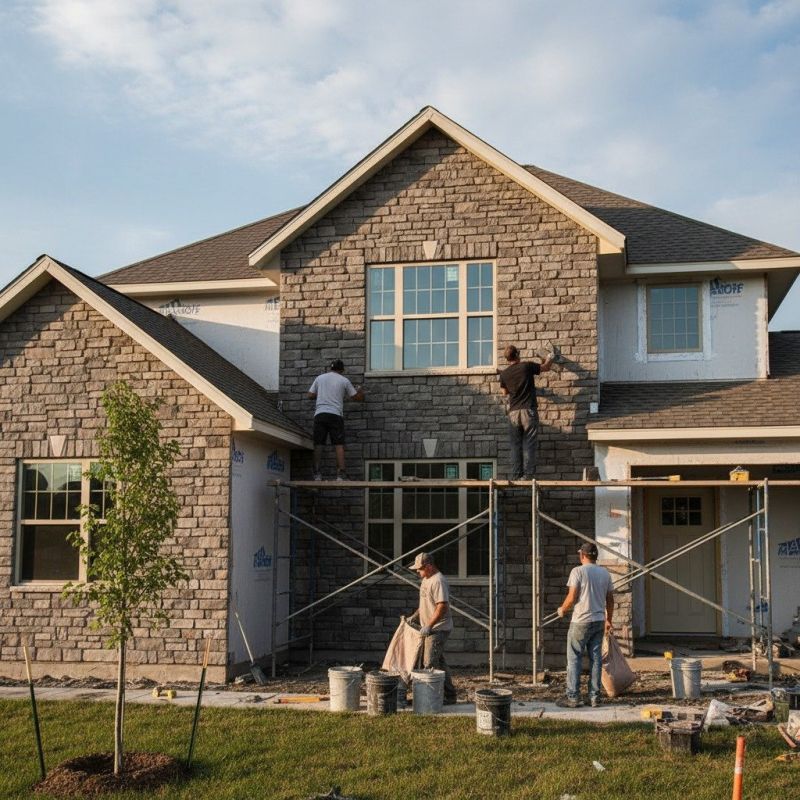
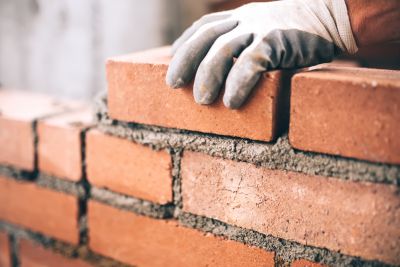
When searching for information about what to expect during a professional masonry installation, homeowners are often looking to understand the overall process involved in installing structures like patios, walls, fireplaces, or walkways. This includes details about how contractors prepare the site, handle materials, and ensure the finished work meets quality standards. People want a clear picture of the steps involved so they can plan accordingly and have confidence that the project will be managed professionally. Understanding what happens during the installation helps homeowners feel more prepared and aware of how local masonry contractors will handle their specific project needs.
Masonry installations typically relate to a range of problems or plans that homeowners may have. These can include repairing or replacing aging brick or stonework, creating new outdoor living spaces, or installing features that enhance property value and curb appeal. Common issues addressed by masonry work involve structural stability, weather damage, or aesthetic upgrades. Homeowners often seek out professional masonry services when they want durable, visually appealing results that can withstand the elements over time. Knowing what to expect during the installation helps ensure that the project addresses these concerns effectively and that the finished product aligns with the homeowner’s goals.
The types of properties that usually involve masonry installations are diverse, covering residential homes, multi-family buildings, and even commercial properties. In residential settings, masonry work might be part of a backyard renovation, such as building a firepit or a retaining wall. For multi-unit properties, it could involve restoring brick facades or constructing boundary walls. Commercial sites may require more extensive masonry services for entrance features or decorative facades. Regardless of property type, local service providers bring the necessary skills to handle different materials and project sizes, ensuring the work is completed to high standards and suited to the specific property’s demands.
During a professional masonry installation, homeowners can generally expect a sequence of steps that begins with site preparation and material selection, followed by the actual laying of bricks, stone, or concrete blocks. The process often involves careful measurement, leveling, and alignment to ensure a uniform appearance and structural integrity. Contractors may also apply finishing touches like sealing or cleaning to enhance durability and appearance. Throughout the project, experienced local pros manage the work to minimize disruptions and ensure the installation proceeds smoothly. Understanding this process helps homeowners anticipate what will happen during the installation and how skilled contractors contribute to a successful, long-lasting result.
Bricklaying Projects - bricklaying involves similar skills and tools as masonry installation, including precise measurements and mortar application for durable structures.
Stone Patios - installing stone patios requires planning, leveling, and placement techniques comparable to those used in masonry work for aesthetic and structural integrity.
Fireplace Construction - building fireplaces involves detailed masonry techniques and material handling that align with the skills used during professional masonry installation.
Retaining Wall Installation - constructing retaining walls demands careful planning and foundation work similar to the processes involved in masonry projects.
Outdoor Fireplace and Kitchen Projects - these outdoor features require masonry skills for proper assembly, sealing, and finishing, paralleling those used in masonry installation.
Concrete Block Walls - erecting concrete block walls involves mortar application and structural planning akin to the procedures in professional masonry installation services.
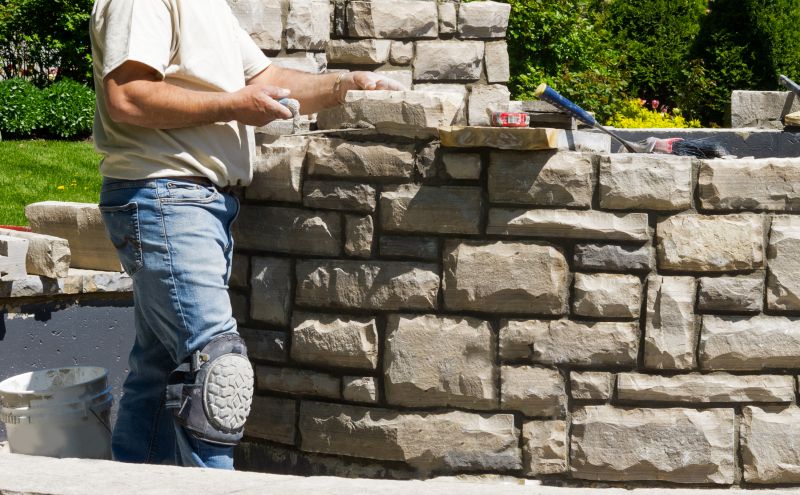
When comparing service providers for masonry installation, it’s important to evaluate their experience with similar projects. Homeowners should inquire about the types of masonry work the contractors have completed in the past, ensuring they have a solid track record with projects comparable in scope and complexity. A contractor’s familiarity with specific materials, design styles, and structural requirements can influence the quality and durability of the installation. Checking references or reviews from previous clients can provide insight into the contractor’s ability to deliver consistent results and handle the nuances of different masonry projects.
Clear, written expectations are essential when selecting a masonry contractor. Homeowners should seek detailed proposals that outline the scope of work, materials to be used, and the steps involved in the installation process. This transparency helps prevent misunderstandings and ensures everyone is aligned on project goals. A reputable service provider will be willing to provide this information upfront, allowing homeowners to compare offerings effectively. Having a well-defined plan also facilitates smoother communication throughout the project, reducing the likelihood of surprises or disagreements down the line.
Good communication and reputable references are key indicators of a reliable masonry contractor. Homeowners should look for service providers who are responsive to questions and willing to clarify any concerns about the process or expectations. Asking for references from past clients can help confirm the contractor’s professionalism and quality of work. A contractor with a strong reputation for clear communication and positive feedback from previous customers is more likely to provide a smooth, well-managed installation experience. Prioritizing these qualities can lead to a successful project that meets expectations and stands the test of time.
Property owners often search for what to expect during a professional masonry installation when they are planning practical projects around their homes and businesses. Local pros provide Masonry Installation services for everyday jobs and straightforward project options.
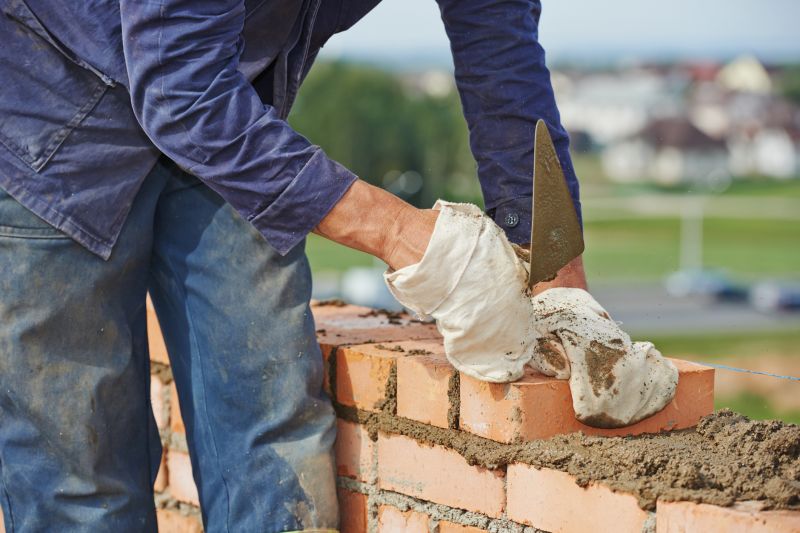

Understanding what to expect during a professional masonry installation can help property owners feel more prepared for their upcoming project. Typically, local contractors will start by assessing the area and discussing the desired outcome, ensuring that the scope of work aligns with the property’s needs. During the installation process, it’s common to see the use of various tools and materials, with the work often taking place in sections to ensure precision and quality. Homeowners might notice the presence of mortar, bricks, or stones being carefully placed and shaped, which is a normal part of creating durable, visually appealing structures.
Many property owners seek masonry services to enhance the functionality and appearance of their outdoor spaces, such as patios, walkways, or retaining walls. When working with local service providers, it’s typical for the process to involve preparation of the site, followed by the actual laying of materials, and finishing touches like cleaning or sealing. Clear communication with the contractors about the project’s progress can help ensure expectations are met, and understanding the general flow of work can make the experience smoother. This knowledge can help property owners feel more confident in choosing qualified professionals for their masonry needs.
What is the typical process during a professional masonry installation? During a masonry installation, local contractors usually prepare the site, establish accurate measurements, and then carefully lay the bricks, stone, or concrete blocks following industry best practices to ensure durability and aesthetic appeal.
How do professionals ensure the masonry work is level and structurally sound? Local service providers use precise tools and techniques, such as string lines and levels, to maintain alignment and stability throughout the installation, ensuring the finished work is both attractive and secure.
What preparations should be made before a masonry installation begins? Contractors typically advise clearing the work area, ensuring proper foundation or footing is in place, and providing access for materials and equipment to facilitate a smooth installation process.
What materials and techniques are commonly used during a professional masonry installation? Local pros often use quality bricks, stones, or concrete blocks, along with mortar or grout, applying techniques that promote adhesion, weather resistance, and long-lasting strength.
What should homeowners expect in terms of the appearance once the masonry installation is complete? The finished work will usually have a clean, uniform appearance with properly aligned joints and consistent mortar application, reflecting the craftsmanship of experienced local contractors.
Preparation and Site Setup - Property owners can work with local contractors to ensure the work area is clear and ready, making the installation process smoother.
Material Selection and Planning - Discussing different masonry materials with service providers helps in choosing the best options for durability and style.
Understanding Installation Phases - Knowing what steps are involved allows property owners to plan around the work and set realistic expectations.
Final Inspection and Touch-Ups - After installation, property owners can review the work with local pros to ensure everything meets desired standards before completion.
If you are thinking about what to expect during a professional masonry installation for a property, this guide is meant to help you understand this topic, the typical project types, and how different options might fit your plans.
When you are ready, you can use the quote form on this page to share a few details about your project. From there, local pros can review the basics and follow up with options that match what you have in mind.